
Natural anti-inflammatory
What are natural anti-inflammatories?
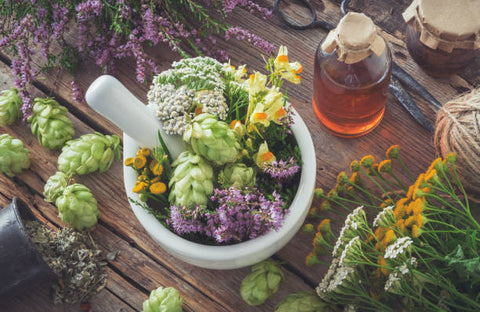
Natural anti-inflammatories are substances of natural origin, such as plants, spices, essential oils, and dietary supplements, that have anti-inflammatory properties to relieve pain and reduce inflammation.
Natural anti-inflammatories are often used to treat common health issues such as osteoarthritis, muscle pain, joint pain, migraines, and menstrual cramps.
What are the symptoms of inflammation?
- Pain: Inflammation can cause local or generalized pain in the body. The pain can be mild or severe, constant or intermittent.
- Swelling: Inflammation can cause swelling or puffiness in the affected area, which can be visible or felt by touch.
- Redness: Inflammation can cause redness in the affected area, which can be mild or intense.
- Heat: Inflammation can cause a sensation of heat in the affected area, which can be mild or intense.
- Loss of function: In some cases, inflammation can cause a loss of function in the affected area, which can lead to limited movement or activity.
- Fever: In some cases, inflammation can cause a fever, which is an elevation of body temperature.
What are the most commonly used natural anti-inflammatories?

Turmeric: This spice is widely used in Ayurvedic medicine and is considered a powerful anti-inflammatory. Be careful not to use "culinary" turmeric; on one hand, because the active ingredients are altered by exposure to light, and on the other, because it is very often heated during cooking. Prefer turmeric in capsules with a specific drying and storage process if you want to benefit from its pain-relieving properties.

Harpagophytum (Devil's Claw): The natural anti-inflammatories present in the harpagophytum plant are gluco-iridoids; they are commonly used to treat difficult-to-live-with conditions such as rheumatoid arthritis, rheumatism in general, tendinitis, lower back pain, osteoarthritis (it rebuilds cartilage), and rheumatic diseases.

Boswellia: Indeed, the properties of the organic Boswellia Serrata dietary supplement are widely used to treat joint discomfort issues related to osteoarthritis and arthritis inflammation; it is one of the most widely used natural health products to relieve these types of problems. Boswellia Serrata is also recognized for relieving intestinal inflammation issues such as Crohn's disease or ulcerative colitis.
Oily fish: The omega-3 fatty acids present in oily fish such as salmon and tuna can help reduce inflammation in the body.
For a substantial and controlled intake, it is better to take them in capsules. There is now a plant-based version for vegan and vegetarian diets.

PEA: Palmitoylethanolamide (PEA) is an endogenous lipid produced by the human body that acts as a neurotransmitter. It is involved in the regulation of pain and inflammation. Many studies have shown that PEA can be beneficial in relieving symptoms of various conditions, such as chronic pain, neuropathy, inflammation, anxiety, and depression.

Cat's Claw: This Peruvian plant is also called "Una de Gato" or "Cat's Claw." It contributes to joint well-being and maintains the proper functioning of the immune system.

Arnica: Arnica is a plant often used for its anti-inflammatory, analgesic, and healing properties. For external use only, for muscle pain.
Natural anti-inflammatories, is there a dosage form more effective than another?
There is no single answer to this question because the effectiveness of natural anti-inflammatories can vary depending on the individual and the conditions they are trying to treat. Furthermore, the most effective dosage form may also depend on the nature of the natural anti-inflammatory in question. This is why it is better to ask us for advice if this is the first time you are considering taking natural anti-inflammatories.
However, here are some examples of common dosage forms for natural anti-inflammatories:
Capsules or tablets: Capsules and tablets are commonly used for fish oil, turmeric, cat's claw, and other natural anti-inflammatory supplements. They are convenient to take and can be precisely dosed and standardized.
Infusions and decoctions: Infusions and decoctions are popular, gentle, and very often safe dosage forms for medicinal plants, such as green tea, chamomile, willow bark, and meadowsweet. These plants contain natural anti-inflammatory compounds that can be extracted in hot water.
Essential oils: Essential oils are commonly used in aromatherapy and can be used by inhalation, topical application, or ingestion. Some essential oils have anti-inflammatory properties, such as lavender essential oil, turmeric essential oil, and oregano essential oil. However, they have the disadvantage of not being able to be used over the long term.
Poultices and compresses: Poultices and compresses are common external dosage forms for natural anti-inflammatories, such as clay, turmeric, and ginger. They can be applied directly to the affected area to reduce inflammation. Be careful to keep the poultice moist; this is a mistake we see a lot in the store when giving advice.
It is important to note that for each natural anti-inflammatory, there may be several effective dosage forms, and it is important to choose the most appropriate form based on the person and the condition they are seeking to treat.
Natural anti-inflammatories: also think about your diet.
Certain dietary recommendations can help reduce inflammation in the body. Here are five quick tips:
- Consume more omega-3-rich foods: Omega-3 fatty acids have anti-inflammatory properties and can be found in foods such as oily fish (salmon, mackerel, sardines), flaxseeds, walnuts, and chia seeds.
- Avoid processed and refined foods: Processed and refined foods (such as bakery products, snacks, sodas, fried foods, etc.) are often high in saturated fats, sugar, and additives that can promote inflammation in the body.
- Increase your intake of fruits and vegetables: Fruits and vegetables are rich in antioxidants, vitamins, and minerals, which can help reduce inflammation in the body. Try to eat a variety of fruits, berries, and colorful vegetables every day.
- Avoid saturated fats: Saturated fats are often found in fatty meats, high-fat dairy products, and hydrogenated vegetable oils, which can promote inflammation in the body. Opt instead for healthy sources of fats, such as nuts, seeds, avocados, and olive oil.
- Limit your consumption of alcohol and soda: Alcohol and sodas can aggravate inflammation in the body, so limit your consumption or avoid them completely if possible.


Comments (0)
There are no comments for this article. Be the first one to leave a message!