
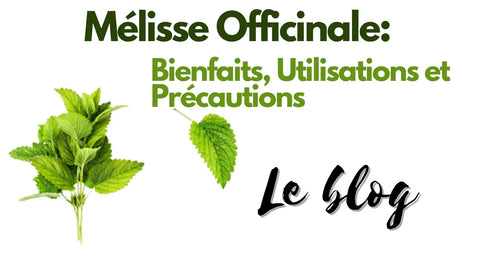
Everything You Need to Know About Lemon Balm: Benefits, Uses, and Precautions.
Introduction 🌿
Lemon balm, nicknamed "the lemon herb" for its delicate fragrance, is a medicinal plant with numerous benefits. Appreciated since antiquity, it is now an essential staple in herbal medicine. Our advisors, Marie and Cécile, guide you through its properties, uses, and precautions. 😊
The Benefits of Lemon Balm. 🌟
Calming and Soothing.
Lemon balm is renowned for its relaxing properties. It acts effectively against stress, anxiety, and sleep disorders. An infusion before bedtime promotes a peaceful night's sleep.

An Ally for Digestion.
In case of bloating or difficult digestion, lemon balm provides relief thanks to its antispasmodic properties.
In herbal medicine, lemon balm is well-known for its digestive properties. It contains antispasmodic compounds, such as rosmarinic acid, which soothe the muscles of the digestive tract. These effects prove particularly effective in cases of bloating, colic, or sluggish digestion.
Cécile’s advice:
After a heavy meal or in case of abdominal discomfort, prepare yourself a lemon balm infusion. She also suggests adding a pinch of peppermint for a soothing and refreshing synergy. This combination is particularly useful for digestive issues linked to stress.

Antioxidant Action.
Rich in phenolic compounds, lemon balm helps protect cells against oxidative stress, thereby preventing premature aging.
The antioxidants present in lemon balm, such as phenolic compounds, help neutralize free radicals responsible for cellular damage. This makes it a prime plant for preventing premature aging and strengthening overall health.
What studies say:
A study published in the Journal of Agricultural and Food Chemistry revealed that lemon balm had an antioxidant capacity comparable to that of green tea. These properties contribute to protecting the skin, organs, and even the brain against the effects of oxidative stress.
Strengthening the Immune System?
Research suggests that lemon balm could boost the immune system thanks to its antiviral properties, notably against the herpes virus. 🌐
Marie explains:
"We often recommend lemon balm in liquid extract form during winter periods or during times of low energy. It helps strengthen natural defenses while providing a touch of serenity."

The Various Names and Flavor of Lemon Balm.
Other names for Lemon Balm
- Lemon herb
- Bee balm
- Melissa balm
These nicknames reflect its lemony flavor and its appeal to pollinators. 🐝
A Unique Lemony Taste
Its fresh and tangy aroma makes lemon balm a popular ingredient for infusions, but also in cooking to flavor desserts and beverages.
Applications and Uses of Lemon Balm 🍵
Relaxing Infusions
Infusion remains the most popular form.
To prepare an infusion:
- Heat 250 ml of water to 80°C.
- Add 1 to 2 teaspoons of lemon balm leaves.
- Let steep for 5 to 10 minutes.
Think of Herberry for your high-quality organic lemon balm infusion.

Essential Oils.
Lemon balm is used in aromatherapy for its soothing virtues. A few drops in a diffuser are enough to create a relaxing atmosphere.
Dietary Supplements
Lemon balm extracts, like those from our shop in Tours, are ideal for targeted use. Cécile has received excellent feedback on the Vit’all+ lemon balm capsules. 😉
Precautions and Contraindications 🚫
Potential Dangers
Although lemon balm is generally well-tolerated, it can cause drowsiness and interactions with certain medications (notably sedatives).
Affected Populations
- Pregnant or breastfeeding women: to be consumed only after medical advice.
- People on medication: seek advice from a healthcare professional.
FAQ about Lemon Balm
1-Does lemon balm help reduce stress?
Yes, thanks to its soothing properties, it is very effective against stress and anxiety.
2-Can lemon balm be used for children?
Yes, but in small doses and after medical advice.
3-How should lemon balm leaves be stored?
Store them in a dry place, away from light.
4-Can lemon balm replace medical treatment?
No, it is a supplement and does not replace professional medical advice.


Comments (0)
There are no comments for this article. Be the first one to leave a message!